
Recognizing When Your Grass Needs a New Care Plan
Your lawn is an essential part of your home’s curb appeal, so keeping it healthy and lush is important. But sometimes, the usual care routine might not be enough. Changes in weather, growth patterns, or even pest issues can signal that it’s time for a change. Adjusting how you care for your lawn can help maintain its health and appearance. This article will help you identify the signs that indicate when it’s time to rethink your current lawn care practices.
Uneven Growth Patterns
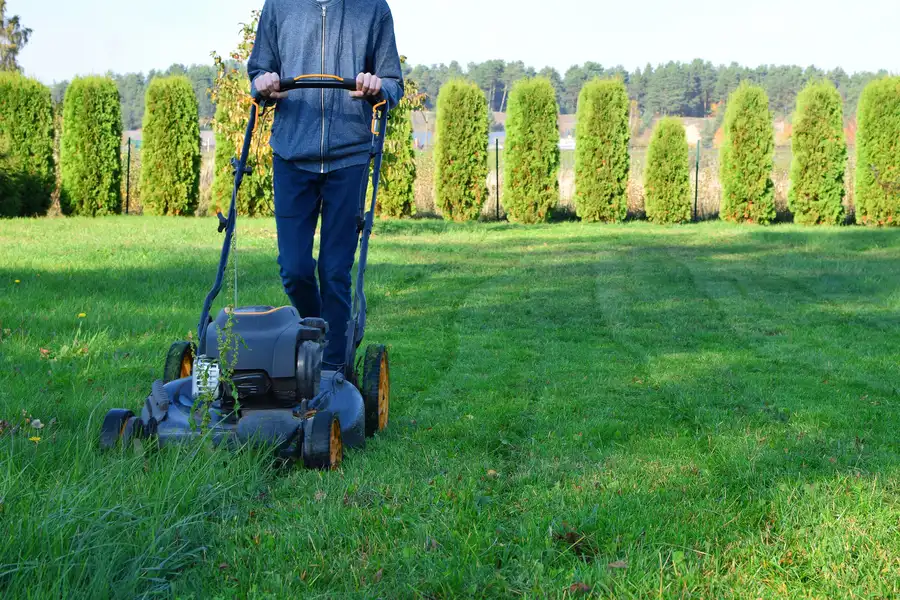
If you notice parts of your lawn growing faster than others, it might be time to reassess your care methods. Uneven growth could mean your grass is not getting what it needs evenly across the area. Factors like uneven sun exposure or inconsistent watering can contribute to this issue. By adjusting your approach, you can ensure a more uniform look.
Difficulty in Maintaining Desired Length
When maintaining the desired length becomes challenging, and your grass seems too long or short frequently, consider changing your routine. You should mow at different times of the year due to varying growth speeds. For instance, during peak growing seasons, more frequent mowing might be necessary.
Pests or Diseases Taking Over
Lawn pests or diseases can wreak havoc if left unchecked. Regular checks are crucial. If you see patches where grass looks unhealthy or is missing altogether, pests might be the cause. Proper diagnosis is important to determine if a shift in maintenance routine is needed to combat these issues effectively.
Increased Weed Growth
A sudden increase in weeds is another sign indicating it’s time to review your lawn care strategy. Weeds compete with grass for nutrients and water. You may need to incorporate weed control measures into your routine to tackle this problem efficiently.
Changes in Seasonal Weather Patterns
Adapting your lawn care strategies according to seasonal changes is essential. Different seasons bring various challenges such as droughts, heavy rains, or temperature fluctuations. Modifying watering schedules and fertilization methods can help your lawn adapt better to these conditions.
Soil Compaction Issues
If the soil feels hard underfoot or water pools on the surface after rain, compaction might be an issue. Compact soil hinders root growth and water absorption. Aerating your lawn can relieve this problem by allowing air and nutrients to penetrate deeper into the soil.
- Check for uneven growth regularly
- Adjust frequency based on seasonality
- Monitor for pests and diseases diligently
- Implement strategic weed control
- Adapt routines to weather changes
- Aerate compacted soils periodically
Reevaluating Lawn Care Investments
Investing time and resources wisely in your lawn care can provide substantial returns in terms of lawn health and appearance. Consider factors such as new tools or professional services for tasks beyond basic upkeep. These investments can prevent larger problems down the line and keep your yard looking its best.
The Perfect Lawn Awaits
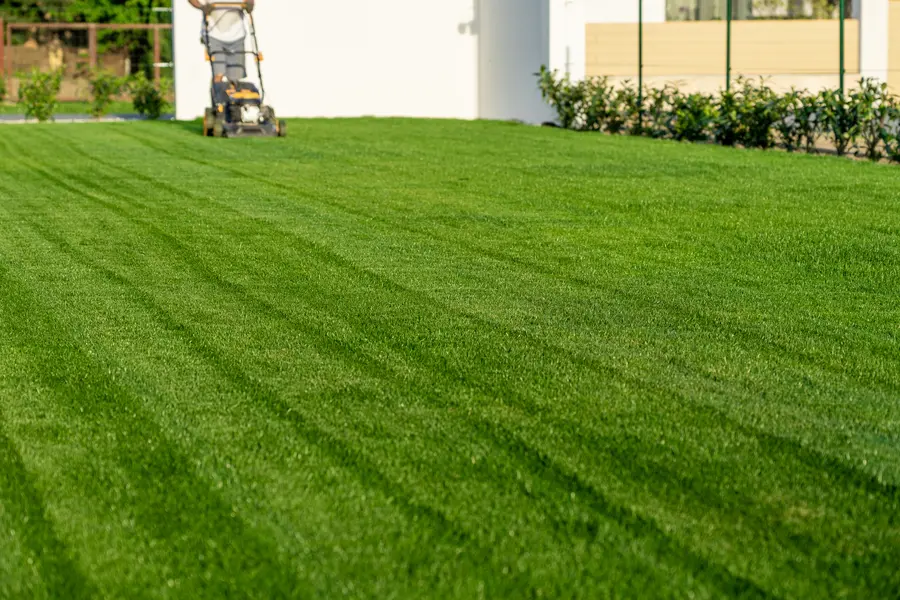
By remaining observant and proactive about your lawn’s needs, you can address potential issues before they become significant problems. Small adjustments in how you handle common challenges like pests or uneven growth can make a big difference. Based in Des Plaines, IL, I offer expert advice tailored to local conditions. For personalized recommendations from ISD Landscaping and Snow Removal, call (847) 331-3434 today. Let me help you achieve the perfect lawn!