
Learn Smart Techniques to Enhance Your Yard
Cultivating a beautiful yard is both an art and a science. While it brings joy and beauty to your home, many encounter challenges along the way. Avoiding common mistakes can save time, money, and effort. With the right knowledge, you can transform your outdoor space into a thriving garden. This guide will help you tackle frequent issues so that your yard flourishes all year long.
Recognizing Soil Conditions
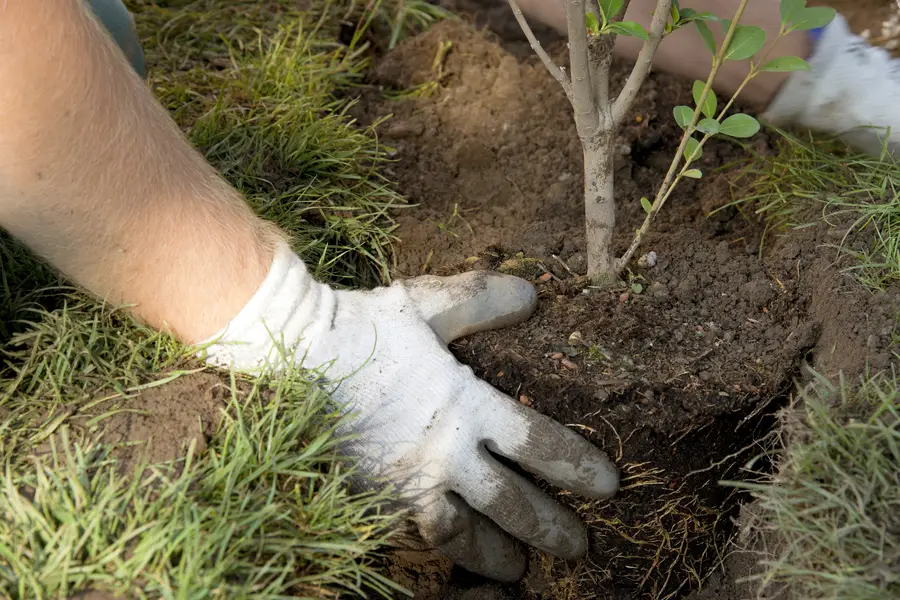
Understanding your soil type is crucial before you begin planting. Different plants require various nutrients and pH levels to thrive. Conduct a soil test to determine its composition. This simple step helps you select suitable plants and amendments for optimal growth.
Choosing the Right Plants for Your Climate
Selecting plants that suit your local climate is essential for success. Consider factors such as temperature, humidity, and rainfall patterns. Opt for native species or those with similar growing needs. Such choices reduce maintenance while ensuring healthy plant development.
Considering Sunlight and Shade
Your yard’s exposure to sunlight plays a significant role in plant health. Plan your landscape by observing how light shifts throughout the day. Group sun-loving plants in brighter areas and shade-tolerant ones in less sunny spots. Proper placement minimizes stress on plants and boosts their performance.
Avoiding Overcrowding
It’s tempting to pack your garden with diverse flora, but overcrowding leads to competition for resources. Each plant requires adequate space for root expansion and air circulation. Follow spacing guidelines on seed packets or plant labels. Providing enough room promotes vigorous growth and reduces disease risk.
Implementing Effective Watering Practices
Water management is critical for maintaining a healthy yard. Overwatering can drown roots, whereas underwatering deprives them of necessary moisture. Adjust your watering schedule according to season and weather conditions. Drip irrigation systems offer efficient water delivery directly to the roots, conserving water and reducing waste.
- Regularly check soil moisture levels
- Avoid watering during peak sunlight hours
- Utilize mulch to retain soil moisture
Enhancing Soil Fertility Organically
Feeding your plants with natural fertilizers ensures sustained nutrient supply without chemical residues. Composting kitchen scraps and yard waste creates rich organic matter for your garden. Regular application improves soil structure and promotes beneficial microbial activity.
Pest Control Strategies Without Harmful Chemicals
Pests can wreak havoc on an otherwise thriving garden. Instead of resorting to harsh chemicals, explore eco-friendly alternatives. Introduce beneficial insects like ladybugs or predatory beetles to keep pest populations in check. Companion planting also serves as a natural deterrent against unwanted visitors.
- Identify common pests in your area
- Select appropriate biological controls
- Create barriers or traps where necessary
Pruning for Plant Health and Aesthetics
Regular pruning encourages new growth and maintains plant shape. Trim dead or diseased branches promptly to prevent spread. Timing varies depending on species; consult guides specific to each plant type. Pruning rejuvenates plants and enhances the visual appeal of your yard.
Final Thoughts on Nurturing Your Garden
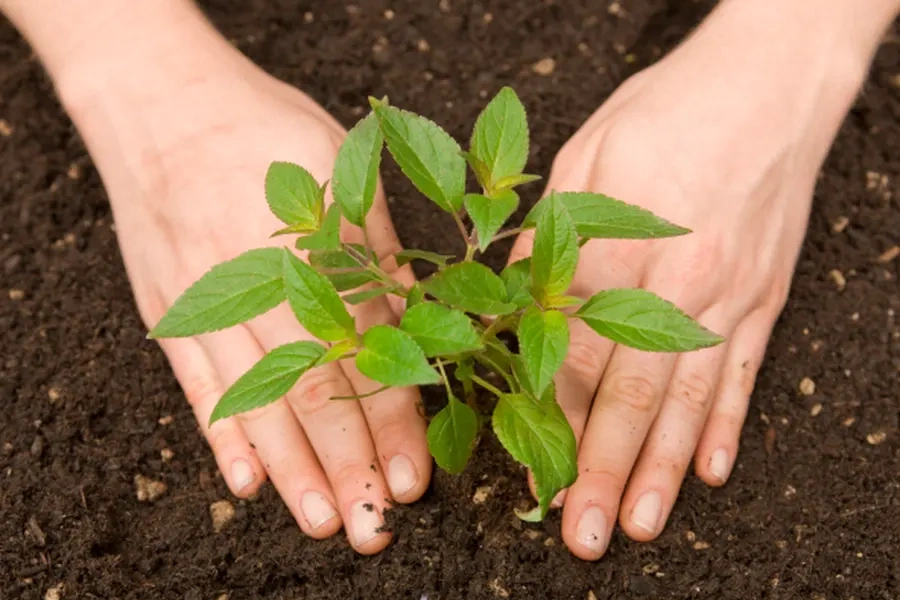
A successful garden requires attention to detail and informed decisions at every step. Consider factors like soil, climate, and plant compatibility when designing your yard. By following best practices, you can cultivate a vibrant outdoor space that reflects your personal style. For expert advice tailored to your unique needs, contact me at (847) 331-3434. I am located in Des Plaines, IL and specialize in offering customized solutions through ISD Landscaping and Snow Removal. Transform your vision into reality today.